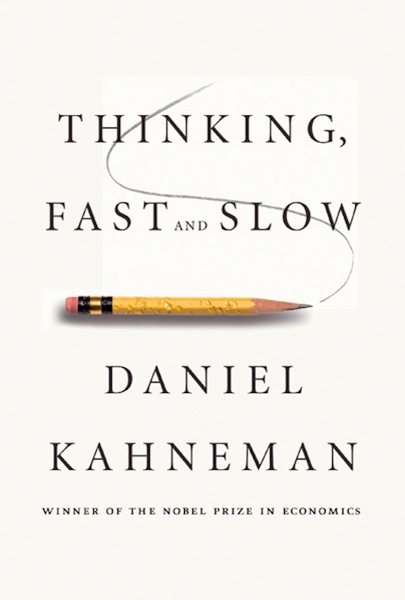
Thinking, Fast and Slow maps two mental systems: intuitive System 1 and deliberate System 2, each prone to different cognitive errors. Kahneman reveals anchoring bias, availability heuristic, and overconfidence—ways your mind systematically misleads you. Understanding these biases helps you recognize when intuition fails and slow down for better decisions.
What readers sayAbout Thinking, Fast and Slow.
The anchoring effect example completely changed how I negotiate. Now I'm aware when others plant a number first.
Dense but phenomenal. The research on overconfidence in expert judgment made me more humble about my own blind spots.
Stopped trusting my gut completely after learning about availability bias. Now I actually check data before making decisions.
Excellent content but very long and somewhat repetitive. Could have delivered the same insights in half the pages.
The hot-cold empathy gap example explained why my New Year's resolutions always fail. Now I pre-commit instead of relying on future willpower.
Readers also recommendWhat people on the shelf are watching next.
Watched it on the train and actually changed my morning the next day. The two-minute rule stuck with me.
Atomic HabitsThe sumo wrestler part had me laughing out loud. Never thought economics could be this fun.
FreakonomicsTen minutes and I finally understood why my dad never sold his house. Sent it to my sister.
The Psychology of MoneyBig book, tiny summary, and it still got the main point across. The Peugeot bit is genius.
SapiensI read the book years ago. This version is faster and honestly clearer.
Rich Dad Poor DadTurned my phone off for two hours after watching. That's the review.
Deep Work