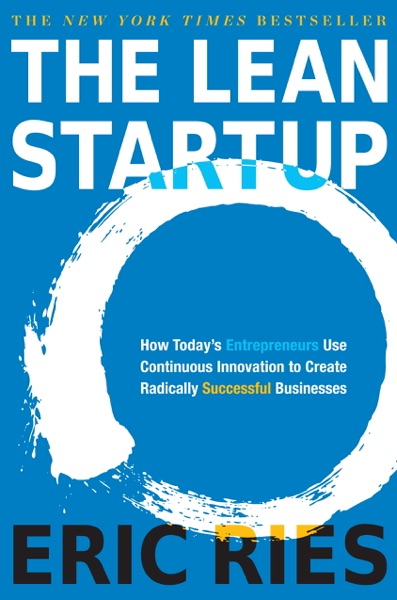
Chapter 1 of 1

Build, Measure, Learn Before You Run Out of Money

"Why would I invite my friends before I even know if this is cool?"

A teenager said that to Eric Ries during a user test, and it wrecked his whole plan. I read that scene twice, because it holds the entire book.

Here is the one big idea I took from The Lean Startup. A startup is not a small version of a big company. It is an experiment. Your real job is not to build the product. Your job is to learn what customers actually want, faster than you burn through your cash.

Let me tell you the IMVU story the way Ries tells it.

In 2004, Ries and his team built a 3D avatar chat product called IMVU. Their strategy sounded smart. Everyone already used instant messaging apps like AIM and MSN. So they built an add-on. You keep your existing IM account, and IMVU layers avatars on top. No one has to switch or start over.

They spent about six months polishing that interoperability feature. Then they watched real teenagers try it.

The teens refused to use it. Not because it was buggy. Because the whole premise was wrong. One tester told Ries she would never invite her friends until she knew the product was cool. She wanted a separate, new network where she could try things without risking embarrassment in front of people she knew.

Six months of careful engineering, gone. Ries writes that he could have learned that lesson in weeks with a rough test. The code was not the point. The learning was the point. Everything built before the learning was waste.

That is why the engine of the book is a loop, not a plan. Ries calls it Build, Measure, Learn.

  • Build a minimum viable product
  • Measure real customer behavior
  • Learn if your assumption was true
  • Pivot or persevere

The minimum viable product, the MVP, is the smallest thing you can ship that tests your riskiest guess. It can be embarrassing. IMVU's early version was buggy and thin, and they shipped it anyway, because they needed data more than they needed pride.

But data can lie to you. Ries warns hard about vanity metrics. Total users always goes up. Total page views always goes up. Those charts feel great and teach you nothing. He pushes cohort metrics instead. Take the group of people who signed up this week. What percent came back? What percent paid? Compare that to last week's group. Now you can see if you are actually improving.

Here is the contrast that changed how I read every dashboard.

Vanity metrics

  • total signups
  • cumulative page views
  • press mentions
  • always go up, prove nothing
vs

Actionable metrics

  • percent of this week's cohort who return
  • percent who pay
  • repeatable, tied to one change, can prove you wrong

At IMVU, the cohort numbers stayed flat for months while the team shipped improvements. That flatness was the truth. It forced them to change strategy, to pivot, until the numbers for new cohorts finally moved. IMVU later grew past 50 million dollars a year in revenue. Not because the first plan was right. Because they found out it was wrong fast enough to fix it.

Quick check before we go on.

In Lean Startup terms, what is the main purpose of a minimum viable product?

So how do you run this yourself? Ries would say start with your scariest assumption, the one that kills the idea if it is false. Then build the smallest test that could disprove it.

  1. 1Write down your riskiest assumption as a sentence a customer could prove wrong
  2. 2Build the smallest thing that tests it, a landing page, a mockup, a manual service
  3. 3Put it in front of ten real customers this week
  4. 4Track one cohort number, like percent who return or pay
  5. 5Decide honestly, pivot or persevere

Remember this

  • A startup is an experiment, not a small company
  • Ship the MVP before you are proud of it
  • Trust cohort behavior, not vanity charts
  • Pivot when the data says the plan is wrong

Try this: before you write another line of code or another slide, name the one belief your whole idea depends on.

The move today: pick your riskiest assumption, design the smallest test that could prove it wrong, and run it before Friday, because the next book in this series shows what to do once the test says yes.