Chapter 1 of 10
We Beat Famine, Plague, and War
"Nobody dies of hunger on my watch," the health official said. "Not in this district. Not this year."

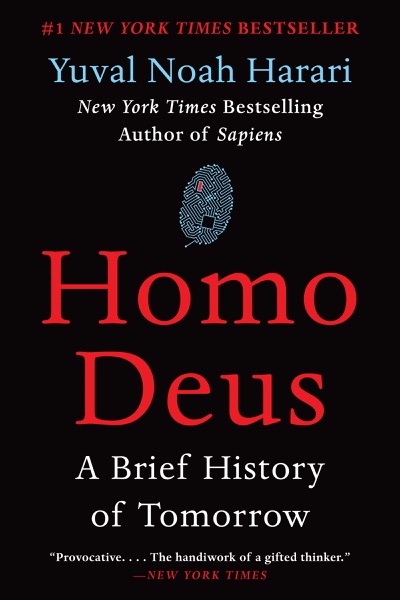
I heard that line in a briefing, and it stuck with me. It proves the boldest claim in Homo Deus.
Here is the idea, plain: for most of history, famine, plague, and war were the three great killers, and people treated them as fate. Today, Harari argues, they are technical problems. Hard ones, yes. But solvable ones.
That is a huge shift, and most of us never noticed it happening.
Start with famine. For thousands of years, a bad harvest meant your children starved. Kings prayed for rain. Whole regions emptied out.
Now, when famine strikes, we do not blame the gods. We blame politics, blocked roads, or failed logistics. Food exists. Getting it there is the problem.
Harari puts the flip in one brutal line: in 2010, famine and malnutrition killed about a million people, while obesity killed three million.
Read that again. Sugar is now more dangerous than gunpowder. More people die from eating too much than from violence, war, and terrorism combined.
Plague went through the same change. The Black Death killed between a quarter and half of everyone in Europe and Asia. People saw it as God's anger. There was nothing to do but pray.
Compare that to the outbreak meeting I watched.
"We have twelve confirmed cases," the doctor said. She did not look scared. She looked annoyed.
"How did we get twelve?" the official snapped. "Where was the screening at the clinic?"

"The reporting system lagged two days."
"Two days is a failure. Someone signed off on that system."
Notice what nobody said. Nobody said fate. Nobody said God's will. They talked about screening, lag times, and who signed off.
A plague, to them, was a management failure. Something went wrong, and someone could fix it. That is the modern mind. When epidemics kill people now, we launch inquiries, not prayers.
Smallpox is the proof. It killed hundreds of millions across history. In 1979, the World Health Organization declared it gone. Humans hunted a disease to extinction.
Then there is war. For most of history, war was normal, almost a season. Strong kingdoms attacked weak ones because it paid.
Harari points out that this logic broke. In the ancient world, human violence caused a large share of all deaths. Today, war and crime together cause about one percent.
Wealth used to be land and gold you could grab. Now it is knowledge, code, and skilled people. You cannot invade Silicon Valley and cart it home.
War still happens, and it is horrible. Harari is not saying peace is guaranteed. He is saying something stranger.
Peace stopped meaning "a pause between wars" and started meaning "war is implausible." Most countries no longer even plan for conquest by their neighbors.
So the pattern holds. Famine became a supply chain problem. Plague became a public health problem. War became bad business.
None of them vanished. But none of them are treated as unstoppable acts of God anymore. When they strike, we ask who messed up.
According to Harari, how do modern societies now treat famine, plague, and war?
Why does this matter for you? Because it changes how you read the news, and your own life.
When something goes wrong at scale, the modern move is to ask what system failed, not whose fault fate was. That mindset built vaccines, food aid, and long peace. It works on smaller problems too.
Try this: pick one problem this week that you have quietly filed under "that's just how it is." Money stress, bad sleep, a stalled project. Rewrite it as a technical problem in one sentence, starting with "What system is failing here?" Then list one fix you could test.

But here is where Harari drops the real question. Success creates a vacuum. For all of history, humanity's to-do list was survival. Now the top three items are mostly checked off.
So what does a species do when it finally beats its oldest enemies? It picks new targets, and the ones Harari says we have chosen should make you sit up.