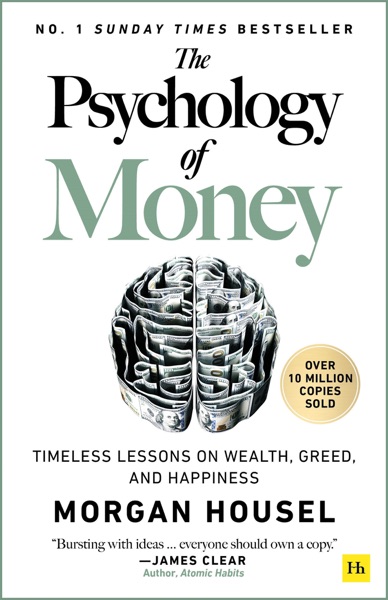
Housel examines how emotions, behavior, and luck shape financial outcomes more than raw intelligence or market knowledge. The book uses historical examples and psychology to explain why people make poor money decisions despite having information. It became popular by validating readers' struggles with their own financial choices.
What readers sayAbout The Psychology of Money.
The chapter on luck versus skill hit hard. I realized I was blaming myself for things outside my control and felt relief knowing others face the same.
Finally understood why I panic-sell during market drops. The behavioral finance examples made me rethink my entire investment strategy.
The idea that getting wealthy and staying wealthy are different skills changed my perspective. Now I focus less on earning and more on patience.
Good exploration of money psychology, but some concepts felt repetitive. Still helped me see my own biases in financial decisions.
The story about the difference between being rich and being comfortable really resonated. I'm reassessing what actually matters to me financially.
Readers also recommendWhat people on the shelf are watching next.
Watched it on the train and actually changed my morning the next day. The two-minute rule stuck with me.
Atomic HabitsThe sumo wrestler part had me laughing out loud. Never thought economics could be this fun.
FreakonomicsBig book, tiny summary, and it still got the main point across. The Peugeot bit is genius.
SapiensI read the book years ago. This version is faster and honestly clearer.
Rich Dad Poor DadTurned my phone off for two hours after watching. That's the review.
Deep WorkThe animation makes System 1 and System 2 click in a way the 500 pages never did for me.
Thinking, Fast and Slow