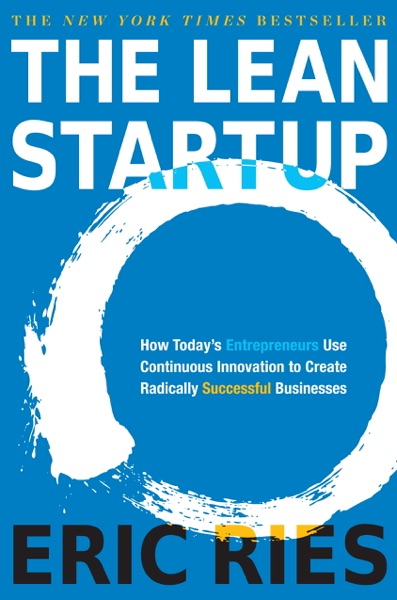
Ries argues that successful startups don't follow traditional business plans but instead test ideas quickly with real customers and pivot based on feedback. He introduced the build-measure-learn cycle to replace months of expensive planning disconnected from reality. The book became the blueprint for how startups and innovative teams operate.
What readers sayAbout The Lean Startup.
We ditched the six-month business plan and launched our MVP in three weeks. Customer feedback was pure gold.
The pivot story about his failed video company was perfectly timed. Saved our startup from wasting money on the wrong direction.
Solid framework but assumes you have a technical co-founder. Marketing emphasis could definitely be stronger.
Stopped obsessing over vanity metrics. Now we track retention and engagement instead, and our actual growth is real.
Showed my corporate team we could test features before full company rollout. Cut our time to market by months.
Readers also recommendWhat people on the shelf are watching next.
Watched it on the train and actually changed my morning the next day. The two-minute rule stuck with me.
Atomic HabitsThe sumo wrestler part had me laughing out loud. Never thought economics could be this fun.
FreakonomicsTen minutes and I finally understood why my dad never sold his house. Sent it to my sister.
The Psychology of MoneyBig book, tiny summary, and it still got the main point across. The Peugeot bit is genius.
SapiensI read the book years ago. This version is faster and honestly clearer.
Rich Dad Poor DadTurned my phone off for two hours after watching. That's the review.
Deep Work