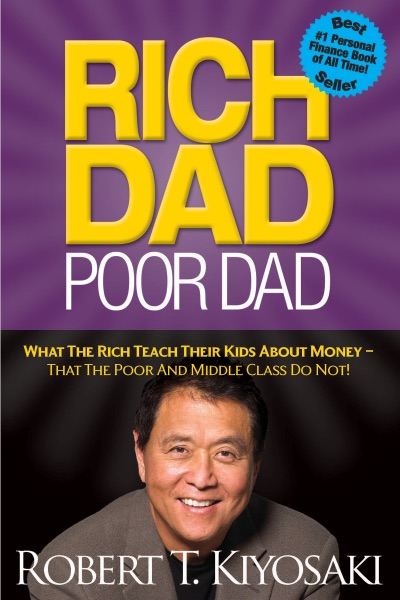
Kiyosaki contrasts his rich father's financial thinking with his poor father's through personal stories about assets, liabilities, and passive income. The book argues that wealth comes from building businesses and investments, not just earning a salary. It became influential by challenging conventional views about money and education.
What readers sayAbout Rich Dad Poor Dad.
The asset versus liability distinction finally clicked for me. I started looking at my car differently and opened a small rental property side hustle.
Loved how it explained the difference between working for money and making money work for you. Changed how I think about my job.
Solid basics about mindset, though some ideas felt oversimplified for my situation. Still got value from rethinking my approach to investing.
The lessons about poor people working for money and rich people having money work for them stuck with me. Started tracking my cash flow that week.
Great intro to financial independence. The stories made the concepts real. I'm now more intentional about what I spend on.
Readers also recommendWhat people on the shelf are watching next.
Watched it on the train and actually changed my morning the next day. The two-minute rule stuck with me.
Atomic HabitsThe sumo wrestler part had me laughing out loud. Never thought economics could be this fun.
FreakonomicsTen minutes and I finally understood why my dad never sold his house. Sent it to my sister.
The Psychology of MoneyBig book, tiny summary, and it still got the main point across. The Peugeot bit is genius.
SapiensTurned my phone off for two hours after watching. That's the review.
Deep WorkThe animation makes System 1 and System 2 click in a way the 500 pages never did for me.
Thinking, Fast and Slow