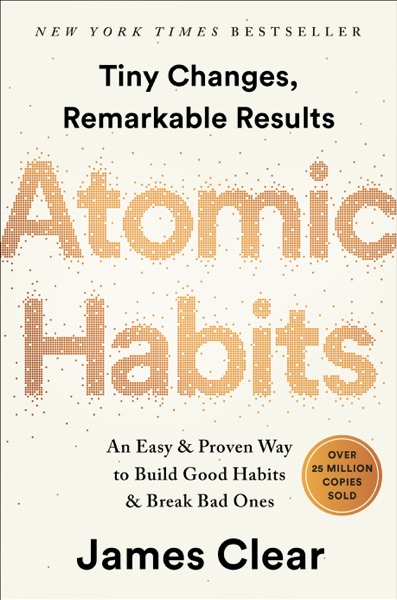
Clear explains how habits form through habit stacking and tiny incremental changes that compound into significant results over time. He breaks down the neurological loop behind habit formation and provides practical frameworks for building good habits. The book resonated globally because it made habit change feel achievable rather than dependent on willpower alone.
What readers sayAbout Atomic Habits.
The 1% improvement idea hit differently. Started with two-minute workouts and now I'm exercising regularly without forcing myself.
Habit stacking finally gave me a system that works. I tied my meditation to my morning coffee and haven't missed a day.
The identity-based approach made sense. Stopped thinking I'm bad at habits and started thinking like someone disciplined instead.
Practical advice but some examples felt basic. Still helped me map out five new habits I'm tracking now.
The habit tracking template is a game changer. I'm actually sticking with my reading habit for the first time.
Readers also recommendWhat people on the shelf are watching next.
The sumo wrestler part had me laughing out loud. Never thought economics could be this fun.
FreakonomicsTen minutes and I finally understood why my dad never sold his house. Sent it to my sister.
The Psychology of MoneyBig book, tiny summary, and it still got the main point across. The Peugeot bit is genius.
SapiensI read the book years ago. This version is faster and honestly clearer.
Rich Dad Poor DadTurned my phone off for two hours after watching. That's the review.
Deep WorkThe animation makes System 1 and System 2 click in a way the 500 pages never did for me.
Thinking, Fast and Slow